MIMOSA
Multiscale System-Oriented Design of Fuel Cell-Powered Regional Aircraft

PURPOSE
The Advisory Council for Aviation Research and Innovation in Europe (ACARE) has set a clear vision: achieving climate-neutral aviation with net-zero CO₂ emissions by 2050. Reaching this ambitious goal requires a fundamental shift toward emission-free propulsion technologies, with fuel-cell-based systems playing a key role. To enable informed decisions early in the development process, new capabilities are needed to analyze unconventional aircraft concepts at the earliest design stages. The LuFo VII-1 project MIMOSA addresses this need by developing an integrated, multi-scale digital simulation environment that links preliminary aircraft design with detailed fuel-cell and thermal-management modeling, enabling robust early-phase system assessment.

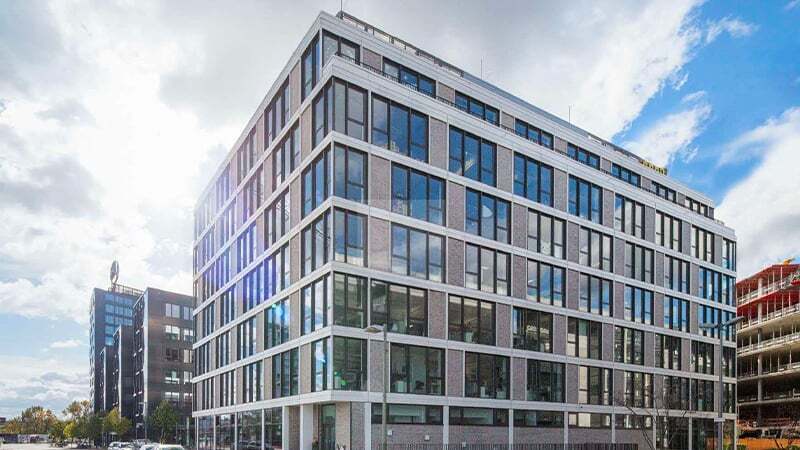
Headquarters
PACE Aerospace Engineering and
Information Technology GmbH
Valeska-Gert-Straße 1, 10243 Berlin.
T. +49 30 29362-0
F. +49 30 29362-11

PACE America, Inc.
12003 Mukilteo Speedway
Suite 102
Mukilteo, WA 98275
Project at a glance
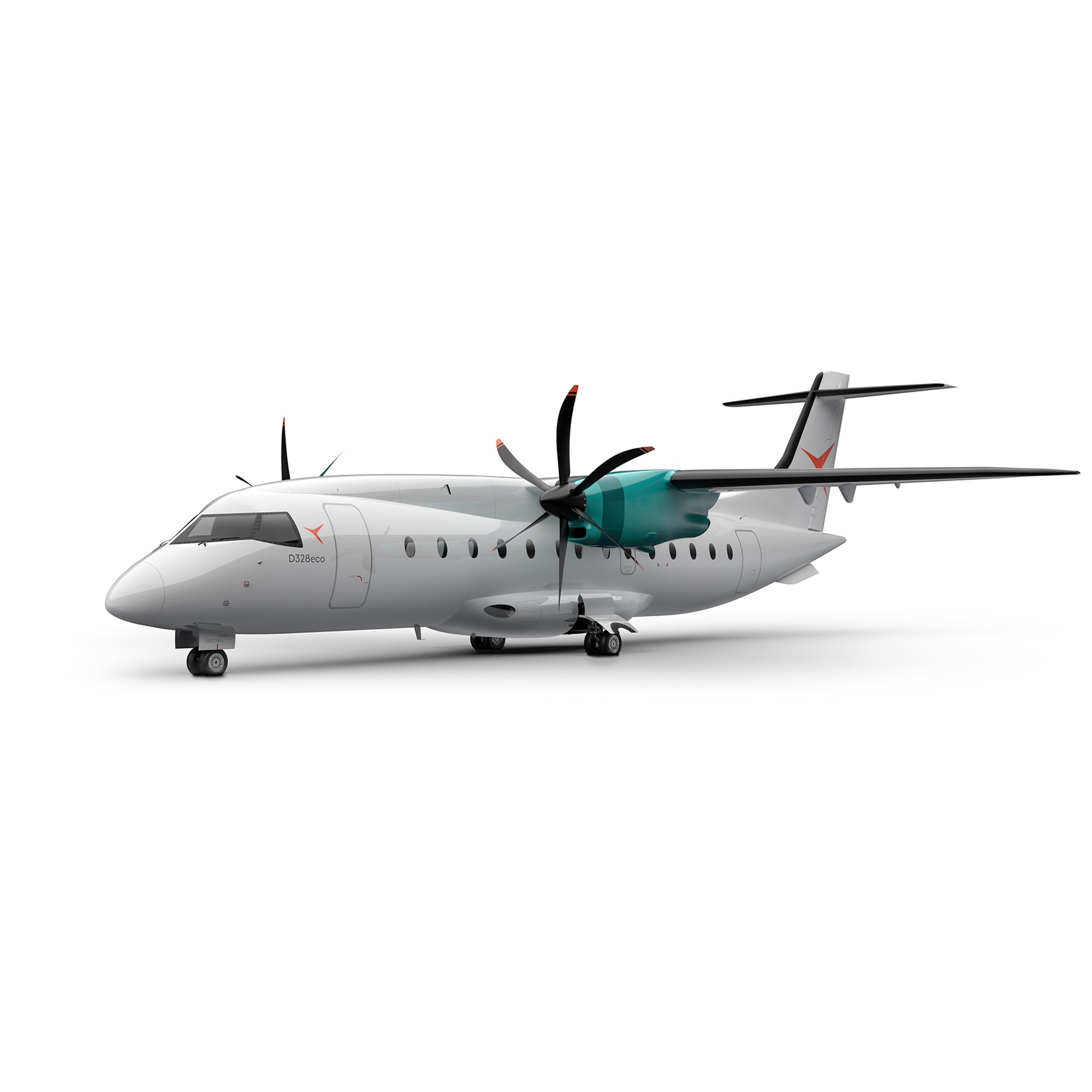
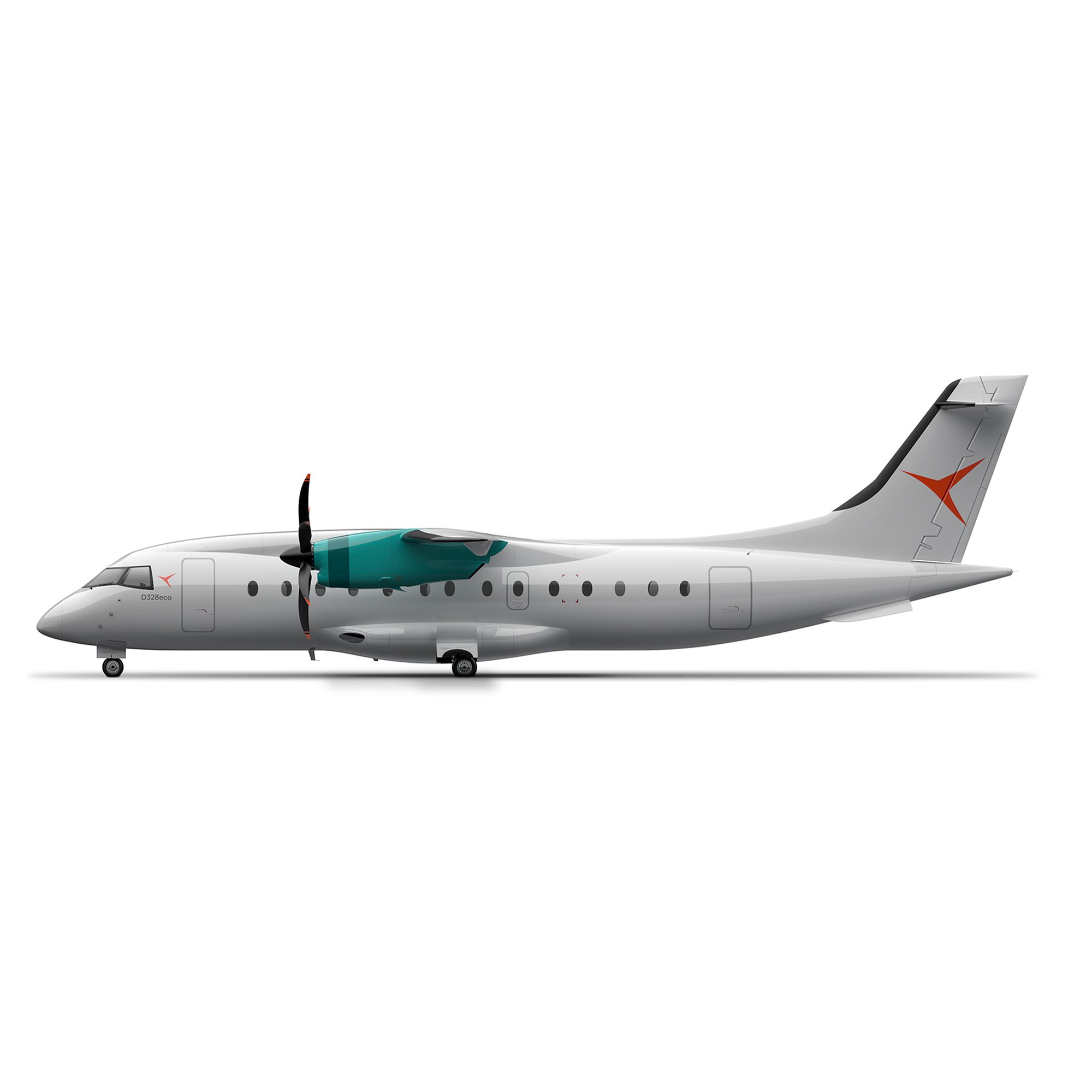
Funded by the German Federal Ministry for Economic Affairs and Energy, MIMOSA brings together the expertise of its partners: overall aircraft and system simulation (PACE), fuel-cell and thermal-management simulation (AVL), aircraft design (TU Berlin), and practical integration into real aircraft design workflows by the manufacturer (Deutsche Aircraft).
The project connects the preliminary design platform for aircraft and on-board systems Desmo with the system simulation tool AVL CRUISE™ M for high-fidelity fuel-cell and thermal-management simulations, enabling consistent, multi-scale evaluation of new propulsion concepts. Fuel-cell-powered regional aircraft - especially when using renewable hydrogen - can achieve up to 100% CO₂ savings, along with significant noise and emission reductions and an estimated five percent increase in overall propulsion efficiency.


Features
Led by PACE, MIMOSA investigates how detailed fuel-cell simulation tools, exemplified by AVL CRUISE™ M, can be combined with the preliminary aircraft design platform Desmo to harness synergies in system- and aircraft-level design. Tailored digital interfaces allow performance data to be exchanged at the resolution required for multi-scale simulation, ensuring a seamless connection from individual components to the complete aircraft.
By closing the design loop from component to aircraft level, MIMOSA helps engineers narrow the design space early in development and identify costly dead-end configurations before detailed design begins. The project also explores the simulation of multiple system architectures to determine the most promising configurations and improve the performance and efficiency of hybrid-electric regional aircraft. Through this integrated, multi-scale approach, MIMOSA provides a robust framework for early-phase assessment, faster and more informed design decisions, and optimized fuel-cell propulsion systems that directly support the transition to zero-carbon regional aviation.

Pace Canada Aerospace & IT Inc.
3000-1 Place Ville Marie
Montréal QC H3B 4N8

PACE Asia Aerospace & IT Pte. Ltd.
7 Temasek Boulevard,
#12-07 Suntec Tower One,
Singapore, 038987
Objectives
The project therefore aims to shorten the pre-design phase for hybrid-electric regional aircraft while preserving physical accuracy. AI-assisted surrogates are investigated to accelerate parameter scans even further. Once validated, the workflow will give manufacturers a fast, reliable way to develop cleaner, quieter aircraft that meet net-zero CO₂ targets.

PACE Role
Within Desmo, alternative fuel-cell system architectures are modeled and their influence on mass, aerodynamics, and mission performance is tracked.
PACE will investigate the function of system architecture swaps and benchmarking, as well as machine learning applications to support hybrid-electric regional aircraft design, aiming to streamline the development process.
Insights from a first loose coupling loop between Desmo and a detailed fuel-cell and thermal-management simulation tool will then feed into the interface specification and implementation that are needed for a multiscale simulation workflow.
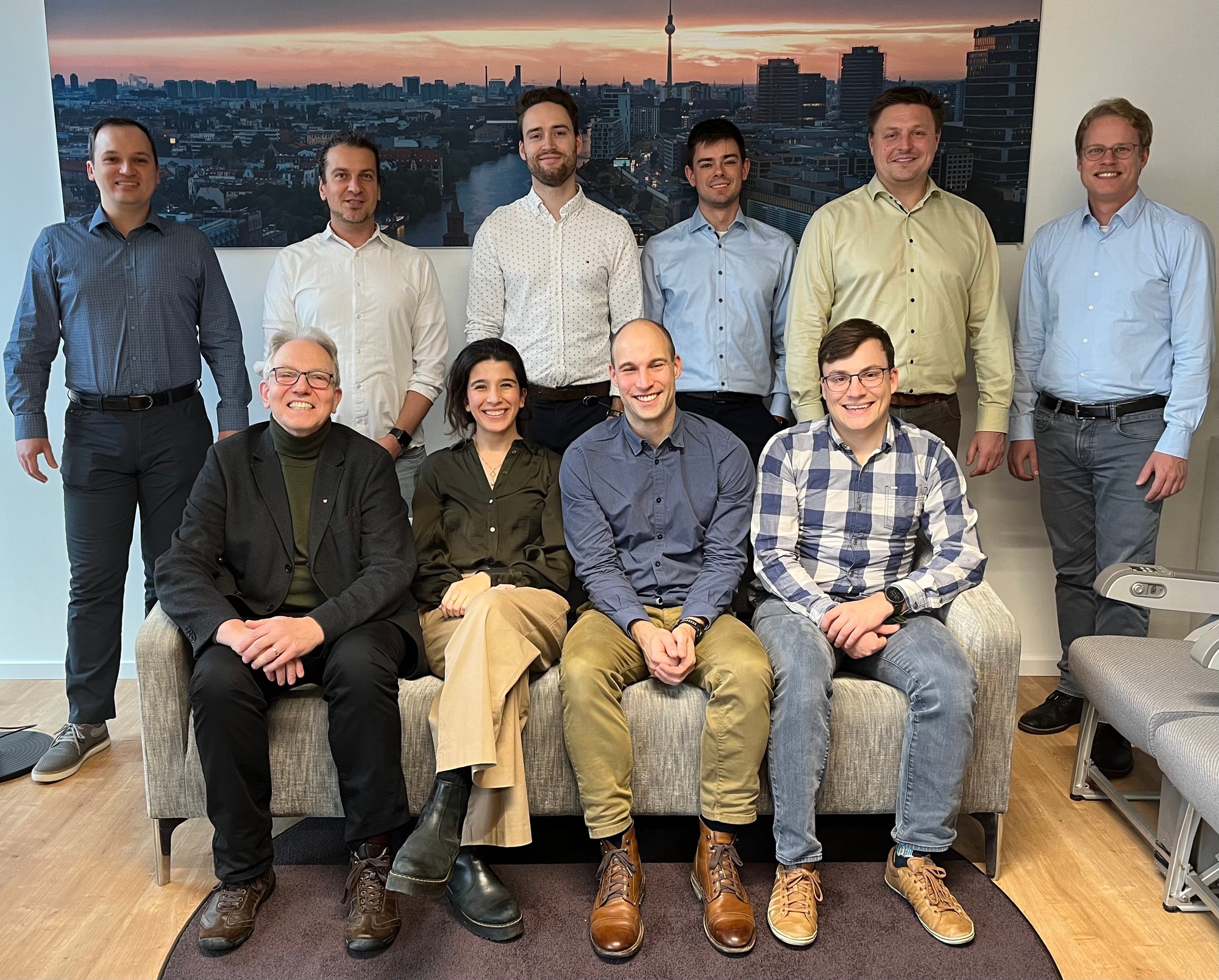
In the picture: front row, from left to right: Prof. Dr. -Ing. Andreas Bardenhagen (Professor, TUB), Fatemeh Nasri (Product Manager, PACE), Michael Shamiyeh (Overall Aircraft Design Engineer, Deutsche Aircraft), Lukas Eisenberger (Chemical Engineer, AVL) & back row, from left to right: Vladislav Todorov (Research Associate, TUB), Andreas Gobbin (Research Associate, TUB), Christoph Junkereit (Consultant, PACE), Enrico Stauss (Consultant, PACE), Dr. -Ing. Sascha Seidl (Project Manager, AVL) & Jonathan Berberich (Project Sponsor, DLR)
Partners
Project Key Information
Funding agency: Federal Ministry for Economic Affairs and Energy
-
- Funding program: LuFo VII-1
Project duration: 36 months
Start date: 1 October 2025
End date: 30 September 2028

Contact us for more information